



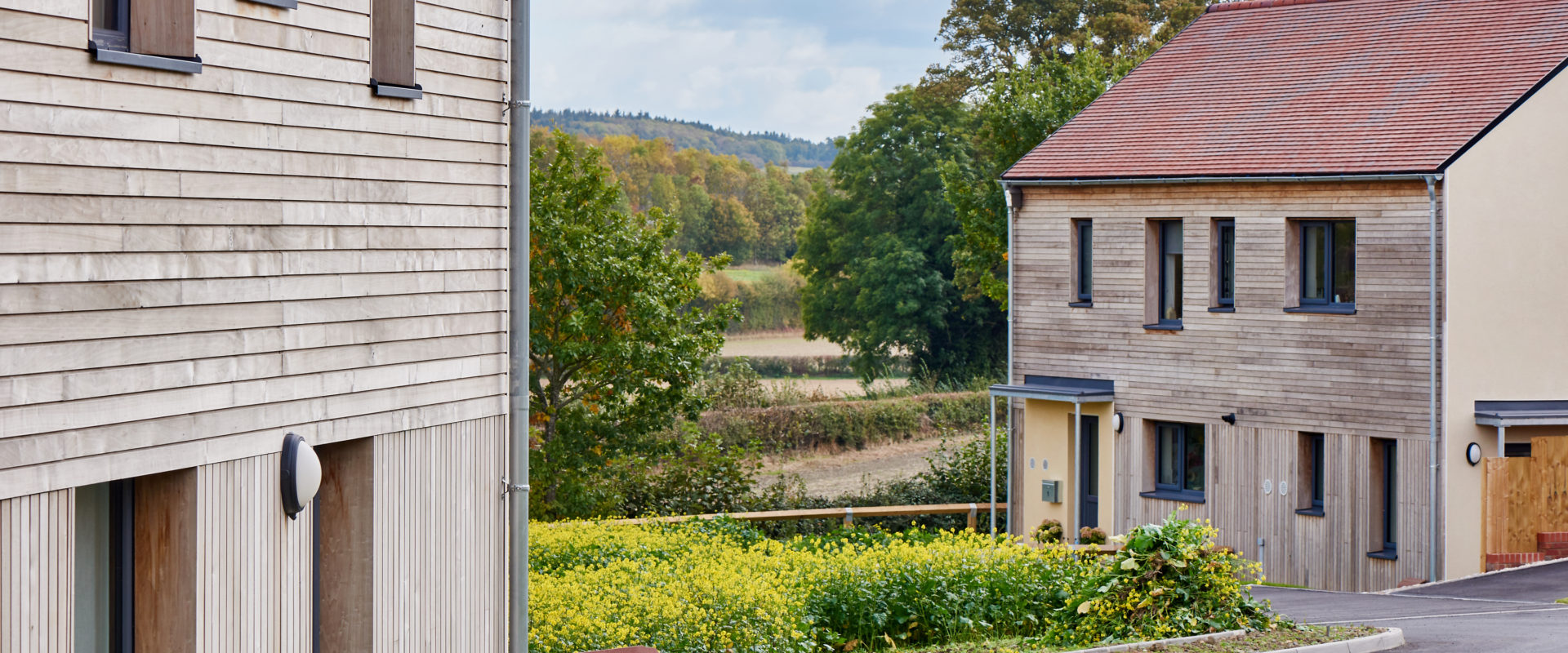
Passivhaus – Are you interested in constructing your next project to Passive House (Passivhaus) standards or to Net Zero?
The first Passivhaus was built in the early 1990’s in Darmstadt, Germany. The construction concept was introduced by Dr Wolfgang Feist as he was concerned about the amount of energy that was consumed in buildings being much higher than originally predicted. Passivhaus is a building standard that is truly energy efficient, comfortable and affordable at the same time.
The concept makes efficient use of the sun, internal heat sources and heat recovery, making conventional heating sources unnecessary even in the coldest winters. Passivhaus boasts good indoor air quality and high levels of comfort with a ventilation system to supply fresh air. The building is designed to keep the carbon footprint as small as possible.
The initial building costs of a Passivhaus may be slightly higher due to intensive planning and the superior components involved however, Passivhaus require up to 90% less energy for heating compared to a conventional house, dramatically reducing the whole life operational carbon emissions and running costs. With the cost of living crisis we are experiencing, now is the perfect time to go Passivhaus.
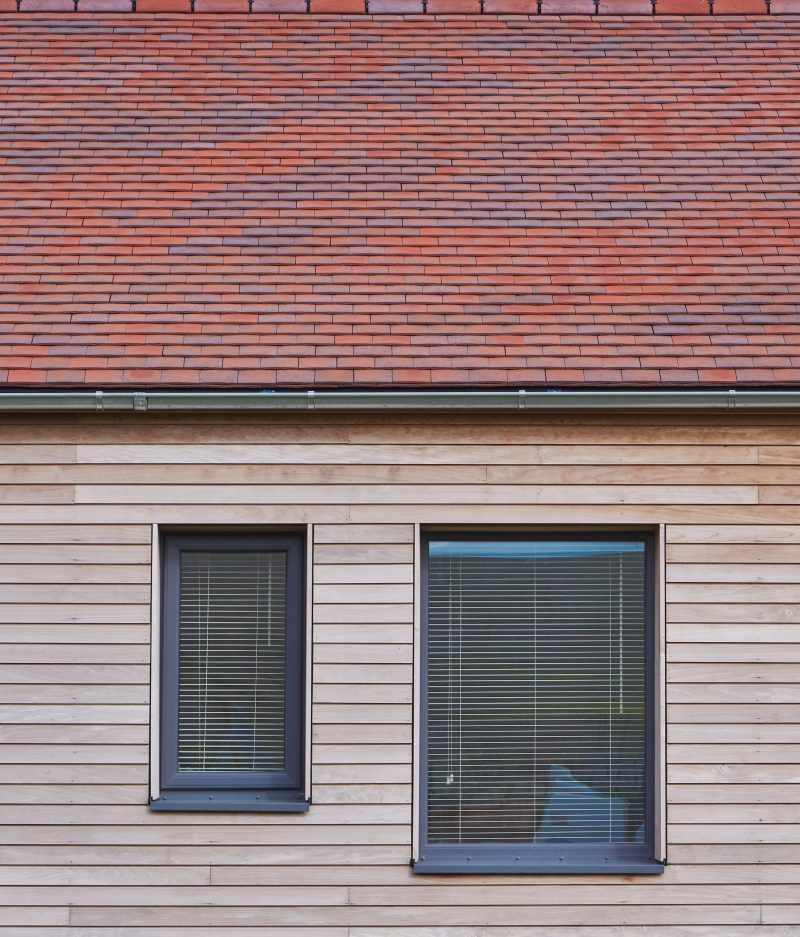
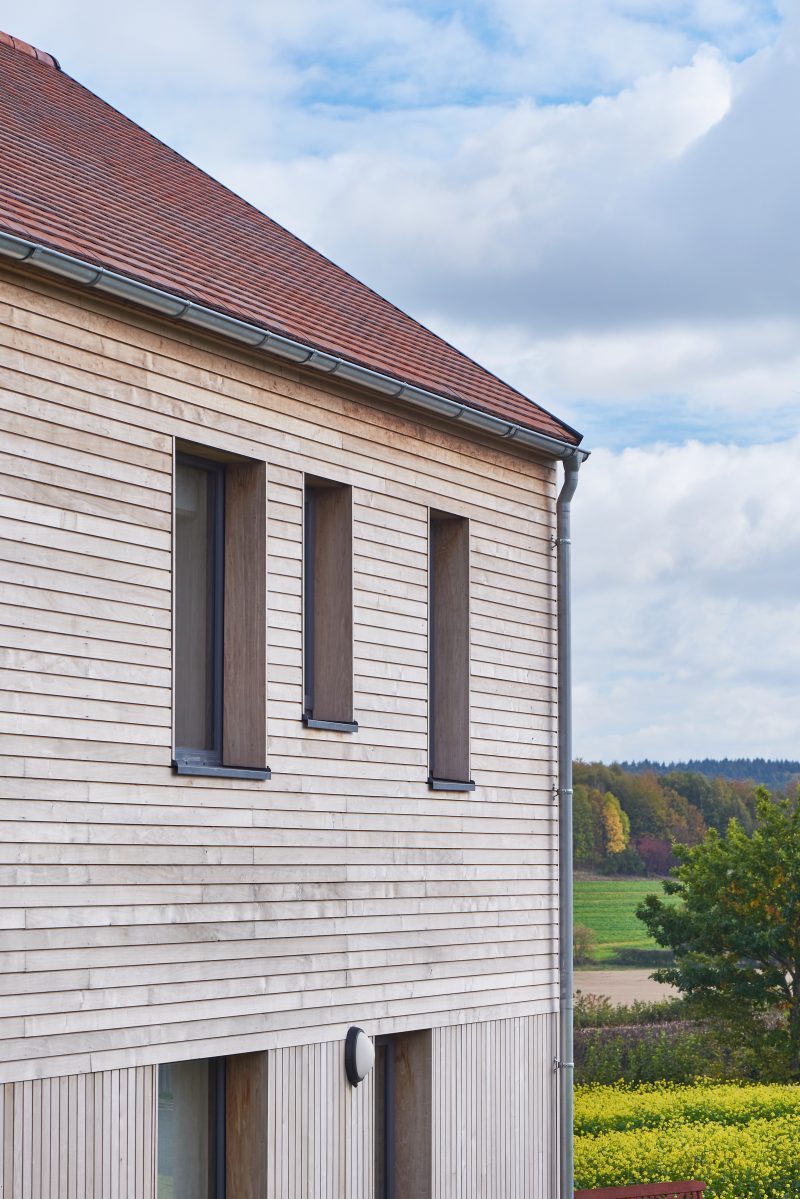
Passivhaus basics are;
- High levels of insulation
- Airtight building envelope
- Well insulated window frames and glazing (triple glazing with argon or krypton to avoid heat transfer)
- Mechanical Ventilation and Heat Recovery (MVHR)
The requirement for a thermal bridge free design is essential in achieving the Passivhaus standard to ensure there is no transfer of heat via the structure.
Passivhaus standards:
Space heating energy demand is not to exceed 15Kwh per m2 of net living space.
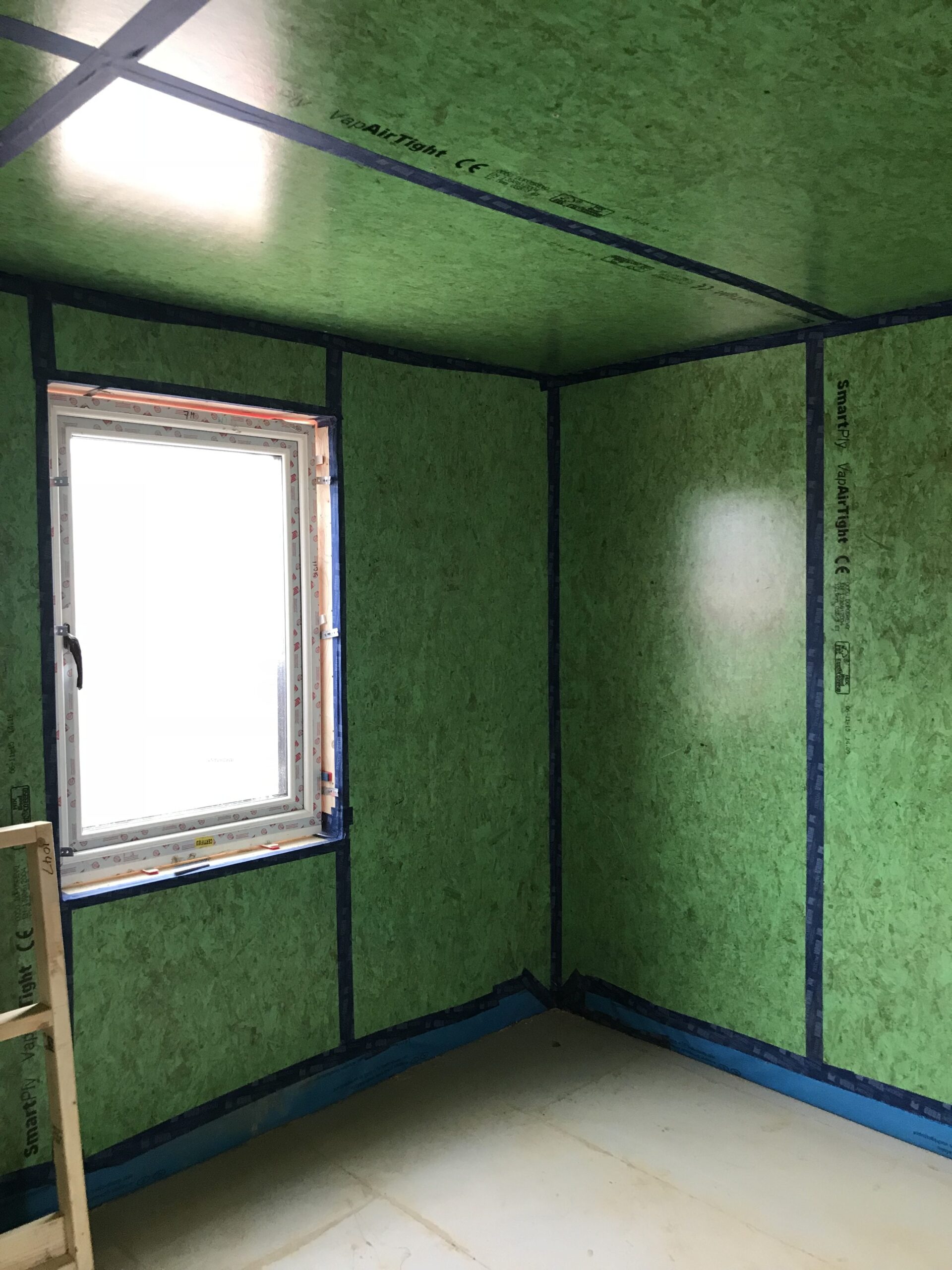
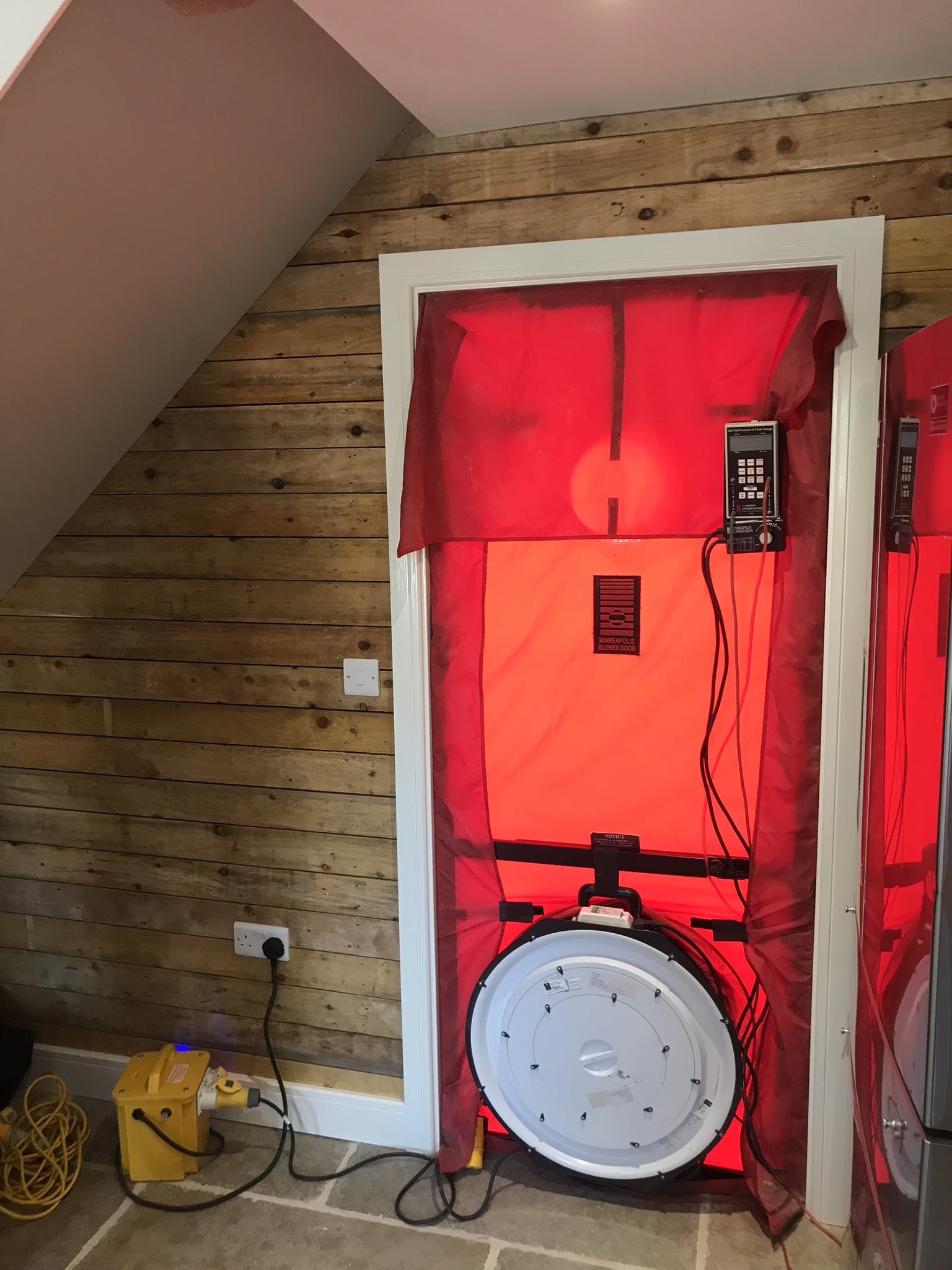
Airtightness is the sealing of the building. This is to ensure that no heat escapes and there are no draughts or cold air leaks. A conventional building can have up to 7 air changes per hour (ACH), Passivhaus must be 0.6 (ACH) or less at 50 pascals of pressure. Airtightness is measured via a blower door test.
U-values measures how quickly or slowly heat transfers through the structure. A conventional building achieves around 0.21w/(m2k), a Passivhaus must achieve 0.15w/(m2k) or less.
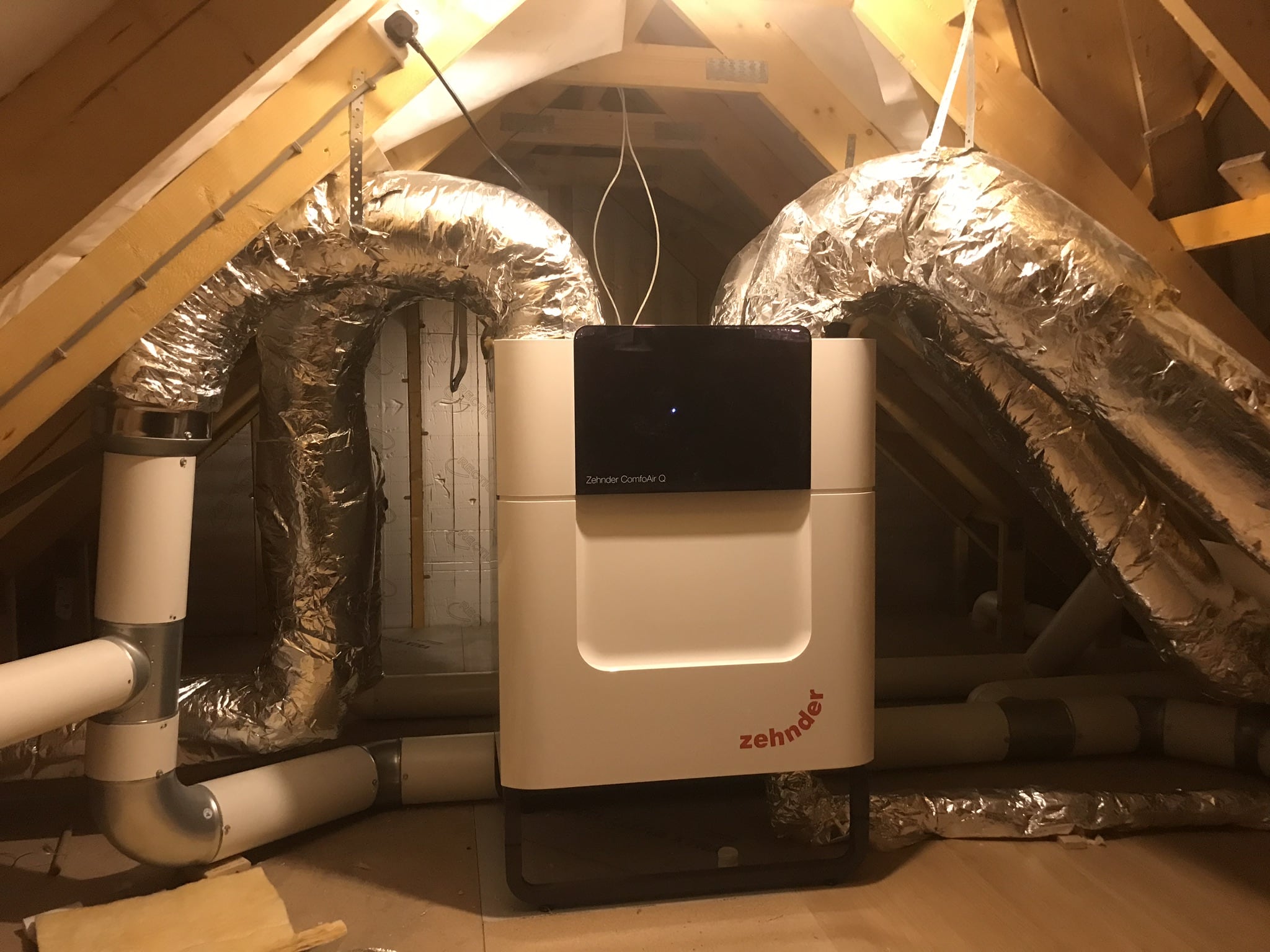
All buildings which achieve less than 3 (ACH) would require Mechanical Ventilation with Heat Recovery (MVHR). This is a continuous source of ventilation that extracts stale, moisture-laden air from a building, from rooms such as the kitchen, bathrooms and utility rooms and resupplies fresh, filtered air back in to main living areas such as bedrooms and the lounge, resulting in a comfortable and condensation free environment all year round.
Our Approach
Why trust us with your Passivhaus build?
We are proud to be members of the Passivhaus Trust and have our own certified Passivhaus designer. We have built a wide range of Passivhaus builds from single dwellings, residential developments and Passivhaus schools. We encourage a fabric first approach and believe early engagement is essential to achieve the best results.
Larsen Truss
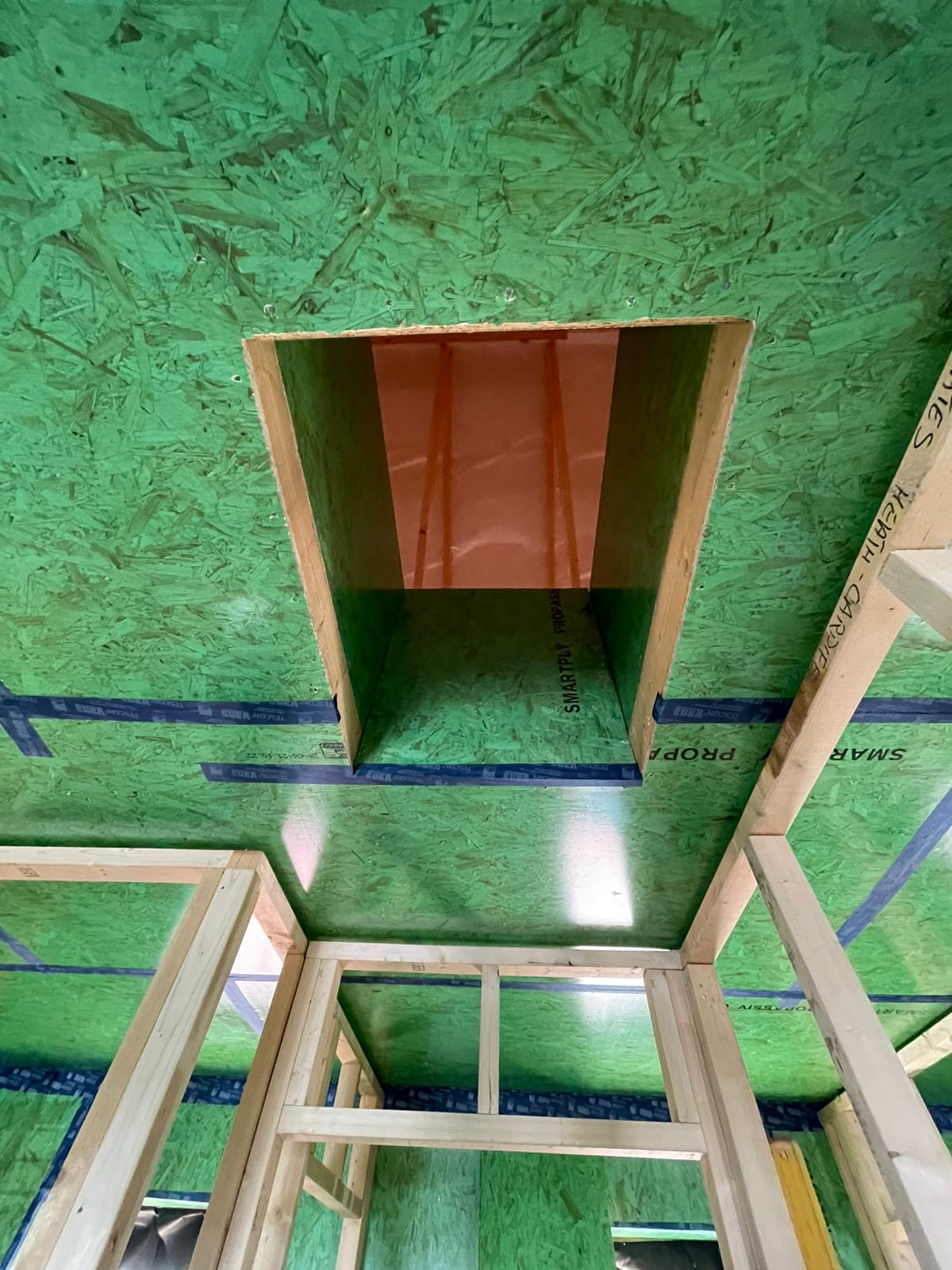
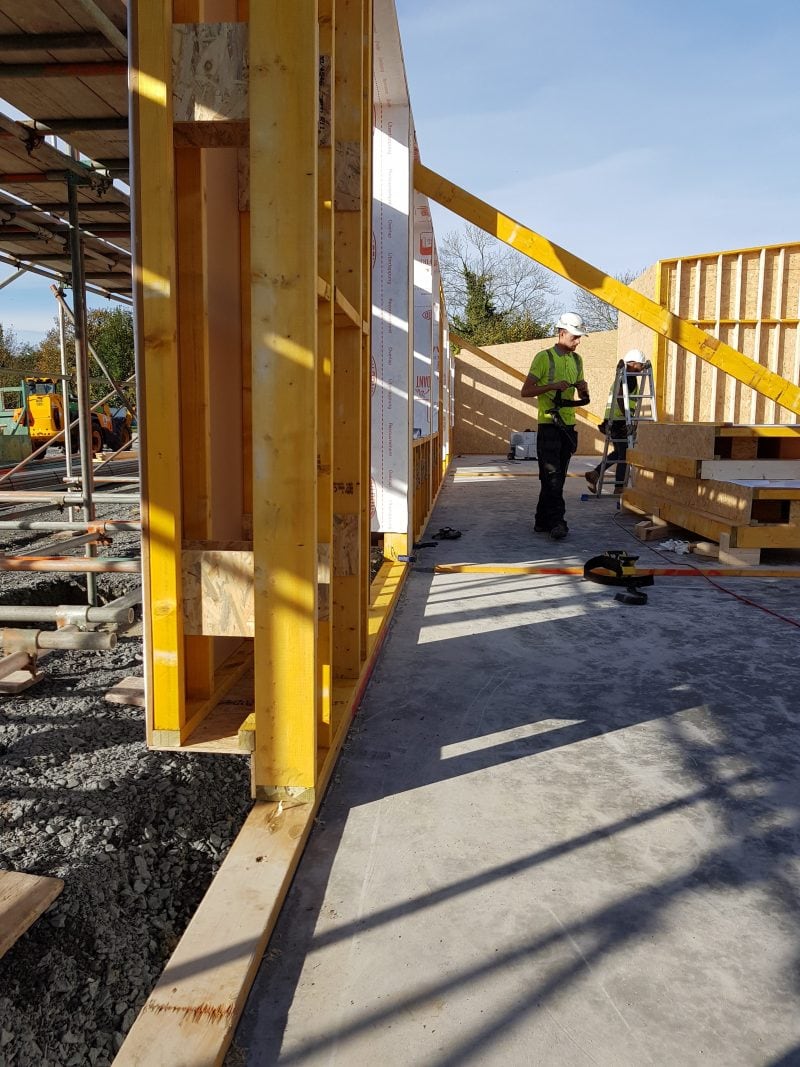
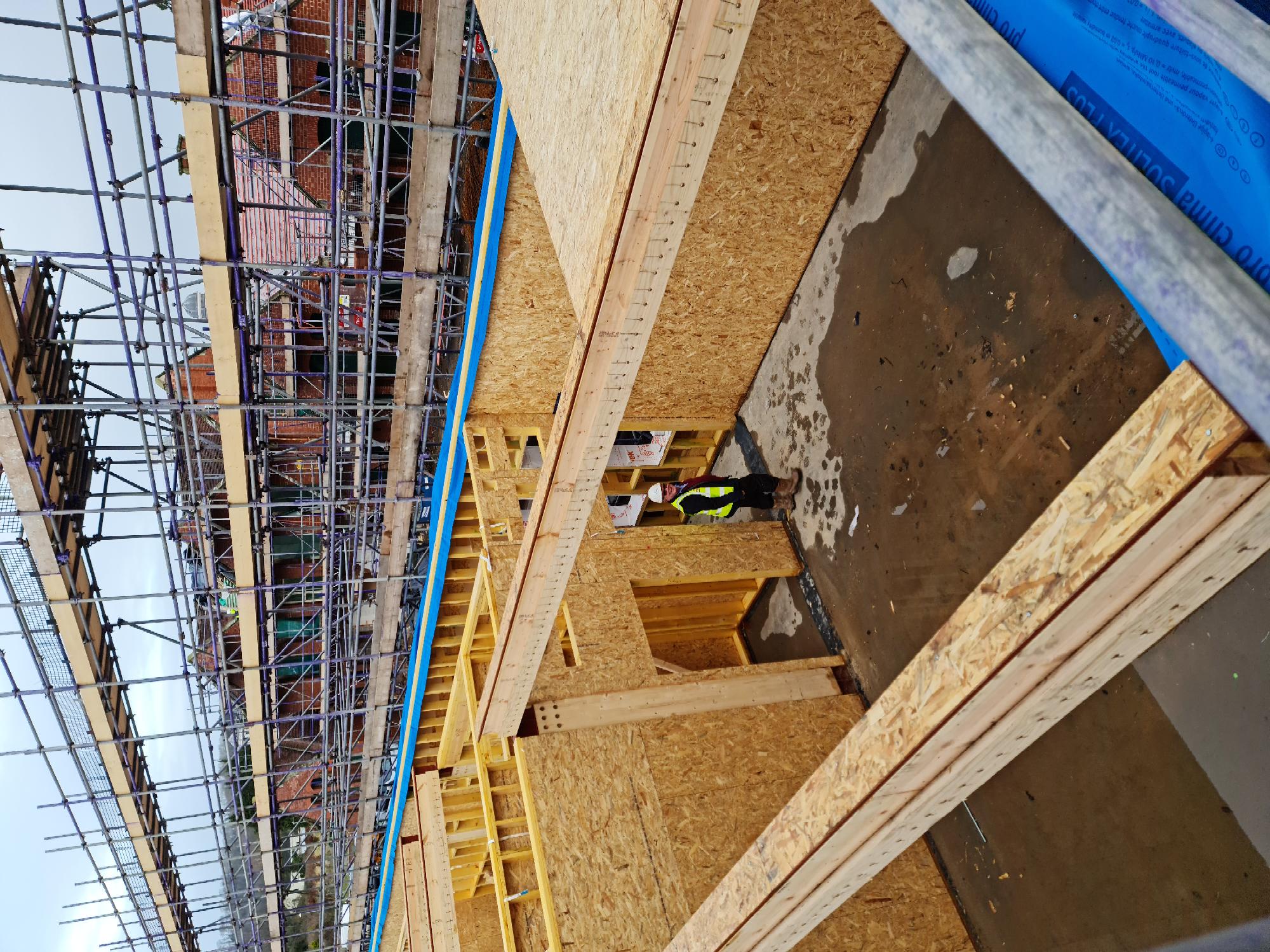
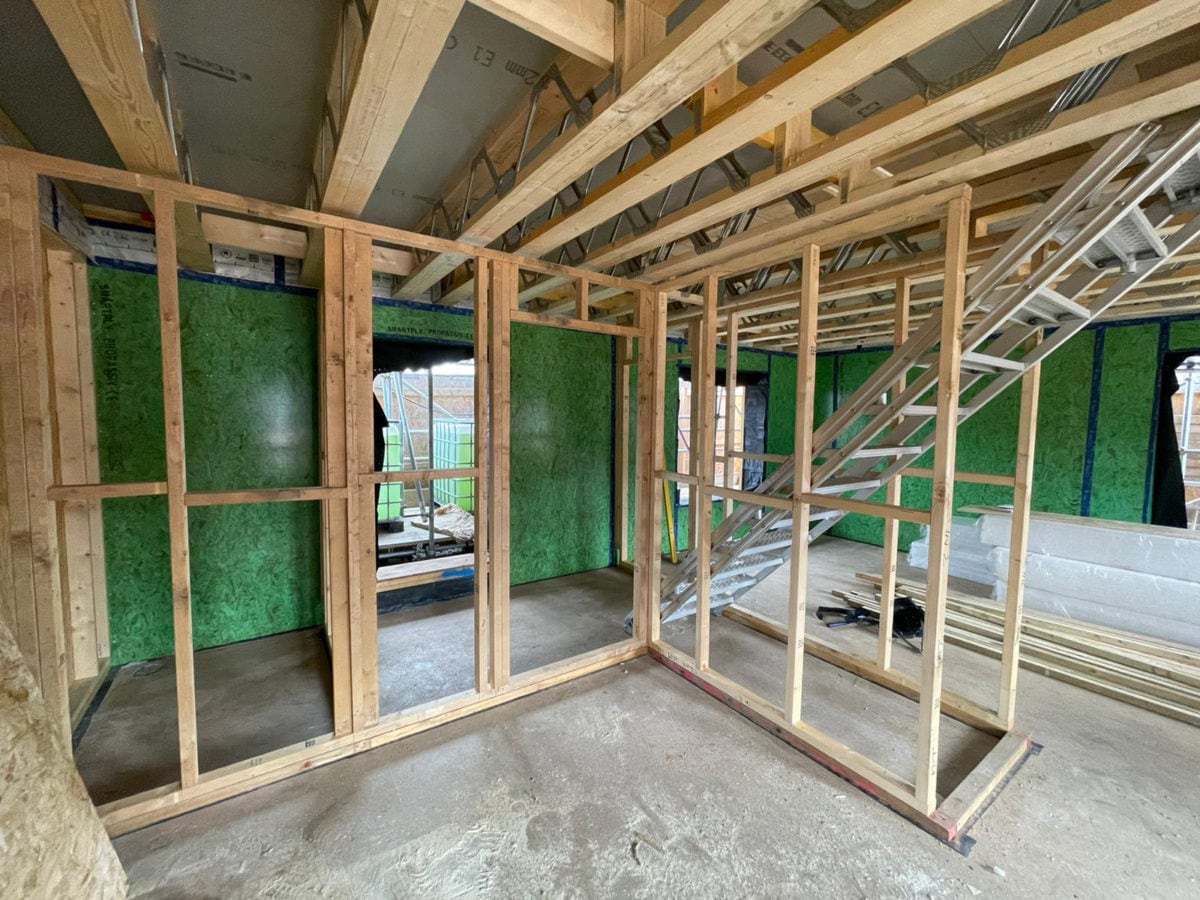
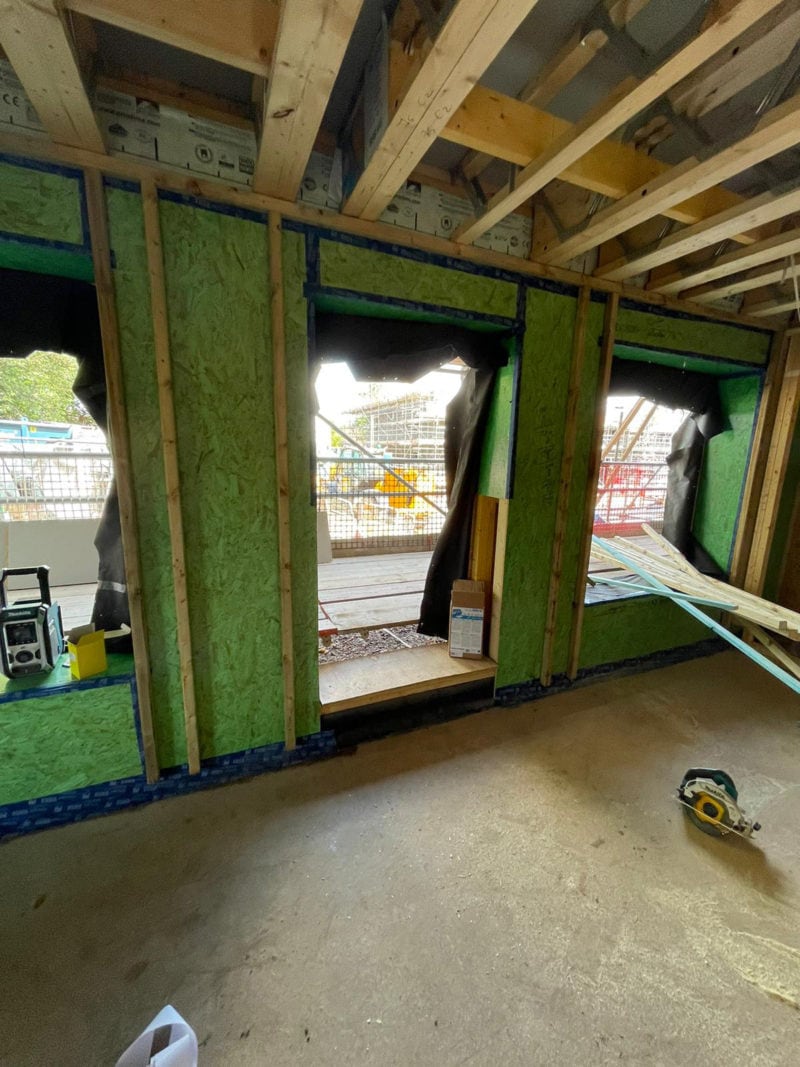
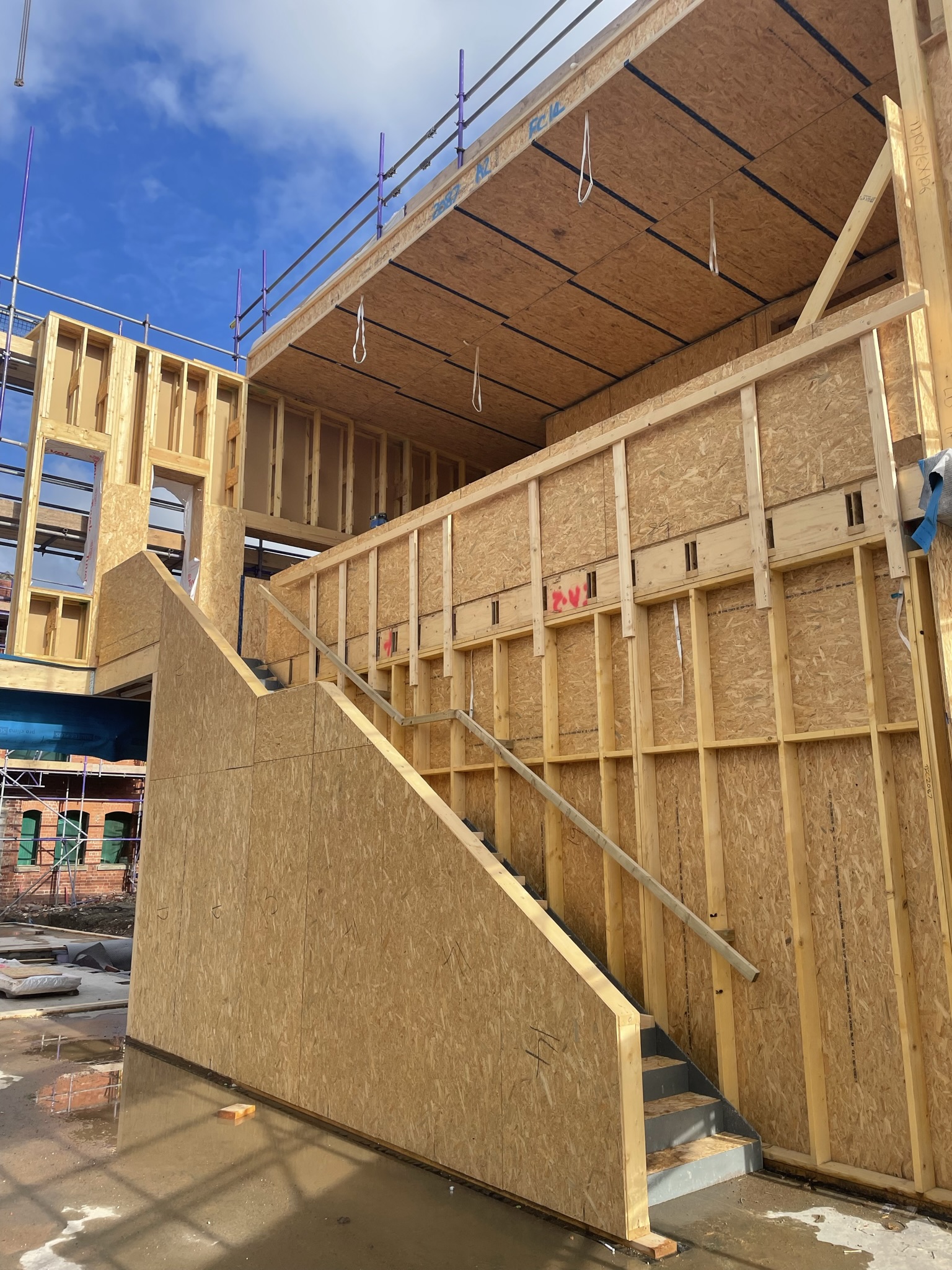
The Larsen truss was created in 1981 by Canadian builder John Larsen. It is a lightweight wall extension which is used to create a thicker wall space to hold insulation. The twin wall reduces thermal bridging in walls. Wall thickness can be adapted to achieve the U-value you require for your build. Typically, the wall is then filled with Warmcel Cellulose Fibre Insulation, Warmcel insulation is made from recycled newspaper. Naturally occurring mineral salts are then added during the milling process for fire resistance and fungal/insect protection.
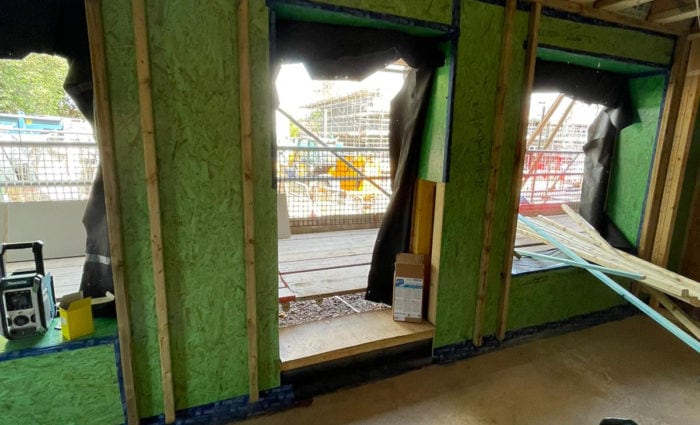
A hole is cut in the internal airtightness layer and the insulation is pumped into the wall cavity, then the hole is sealed with airtight tape. The airtight tape is imperative. It should be used on all internal joints and around window and door openings. The tape can also be used on the external membrane joints to aid wind tightness. Roof cassettes can also be used which are filled the same way as the wall panels.
See our case studies to find out more on the Larsen truss system.
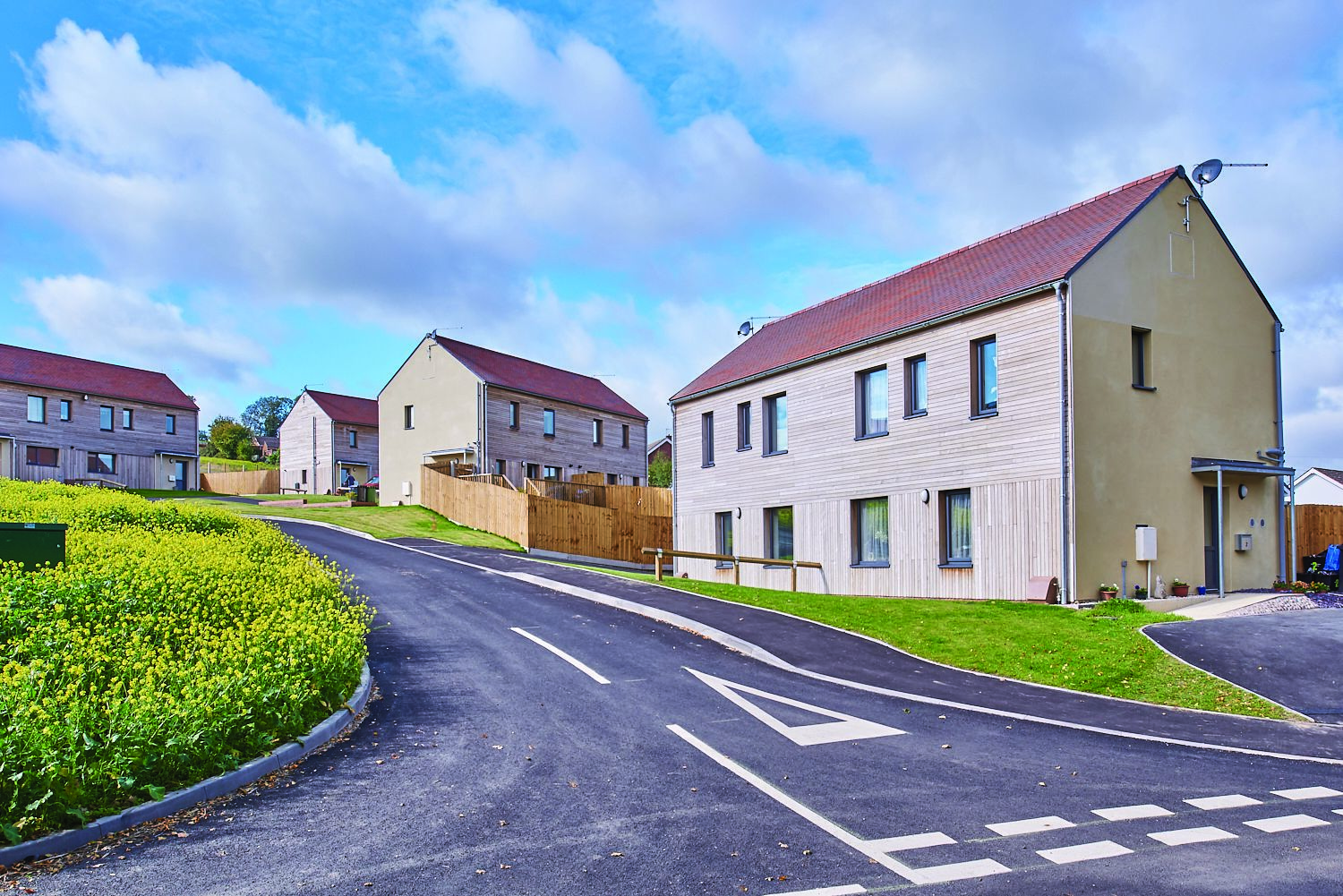
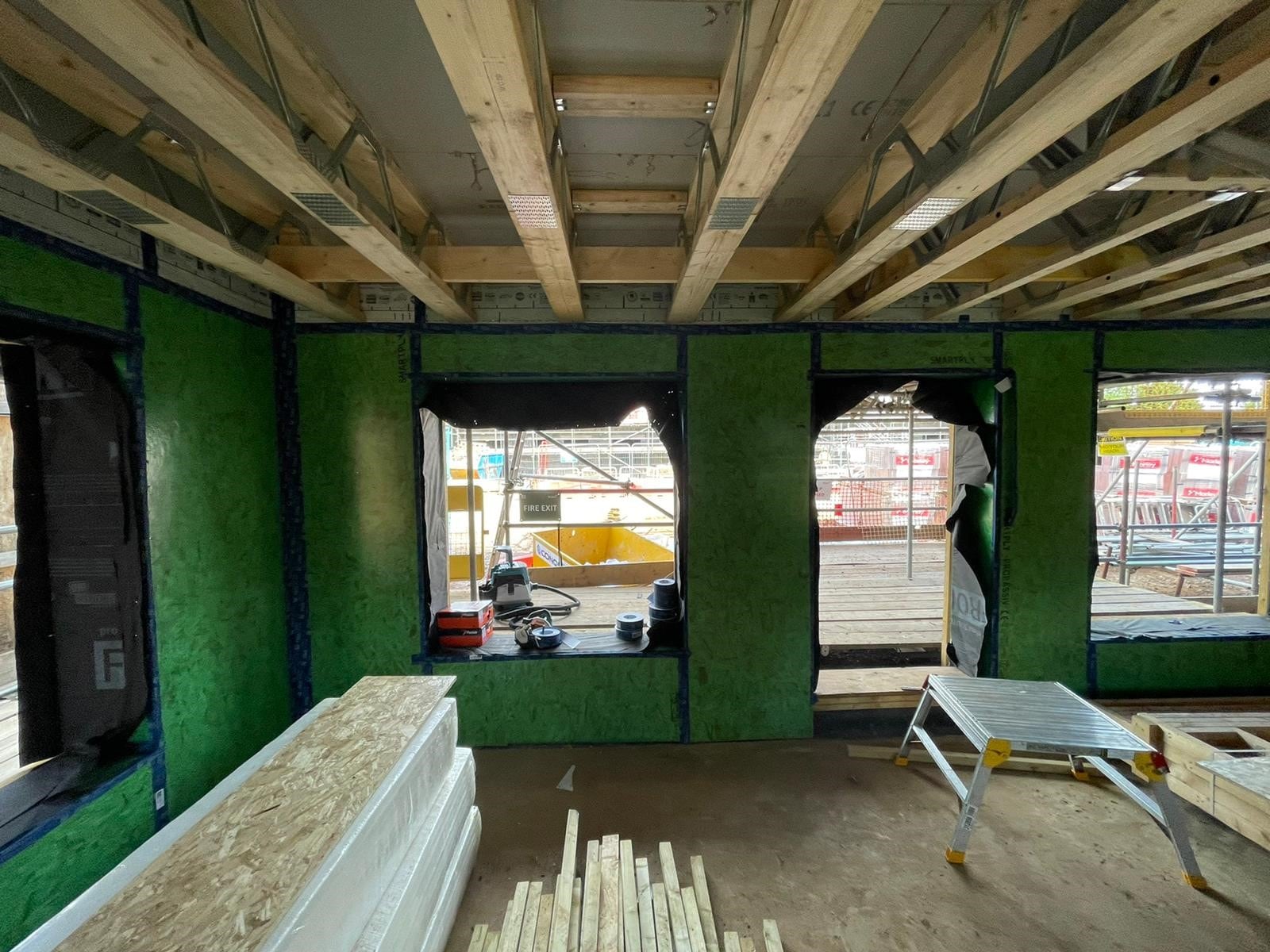
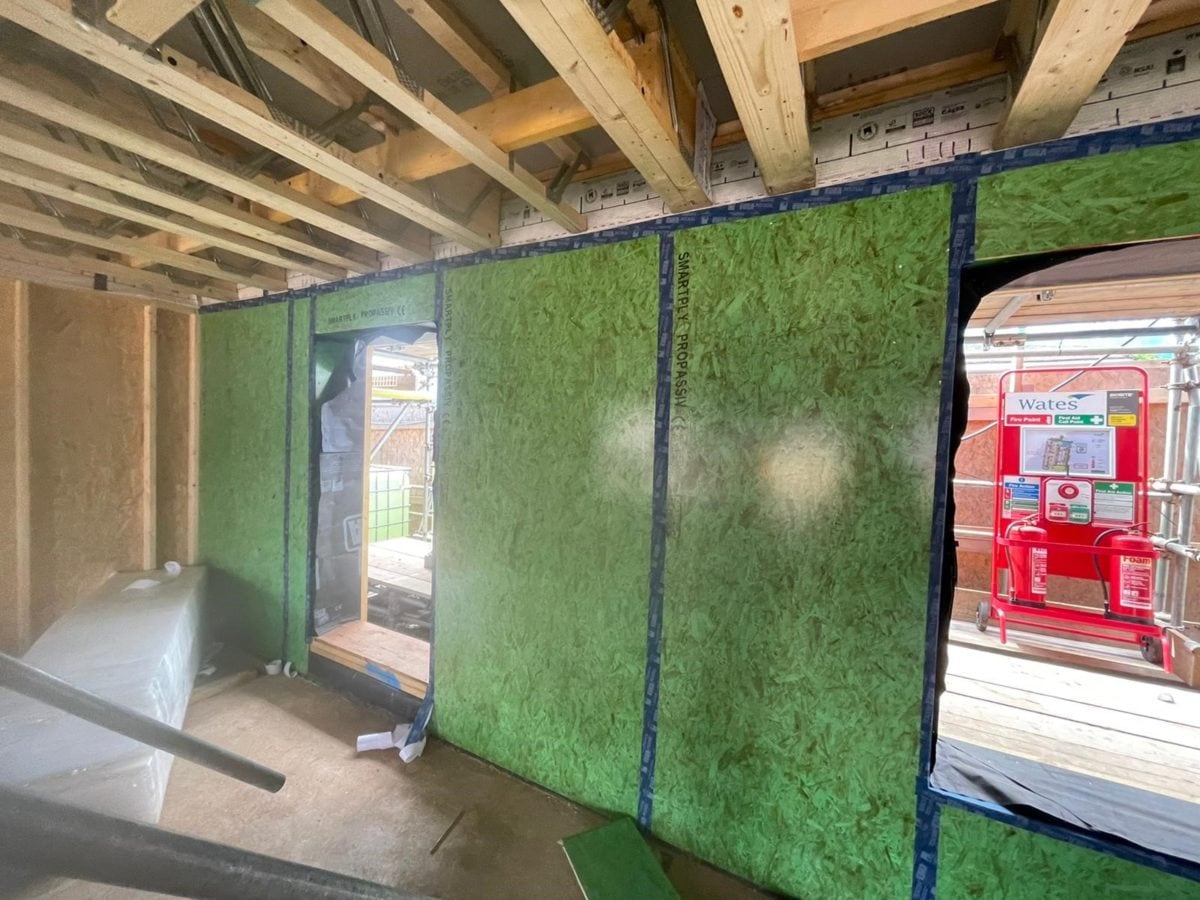
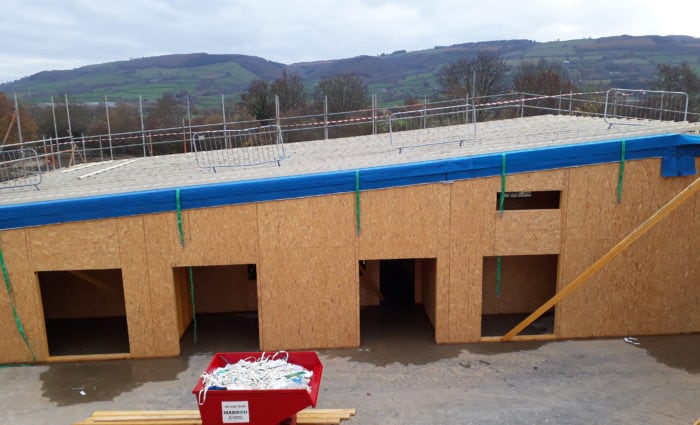
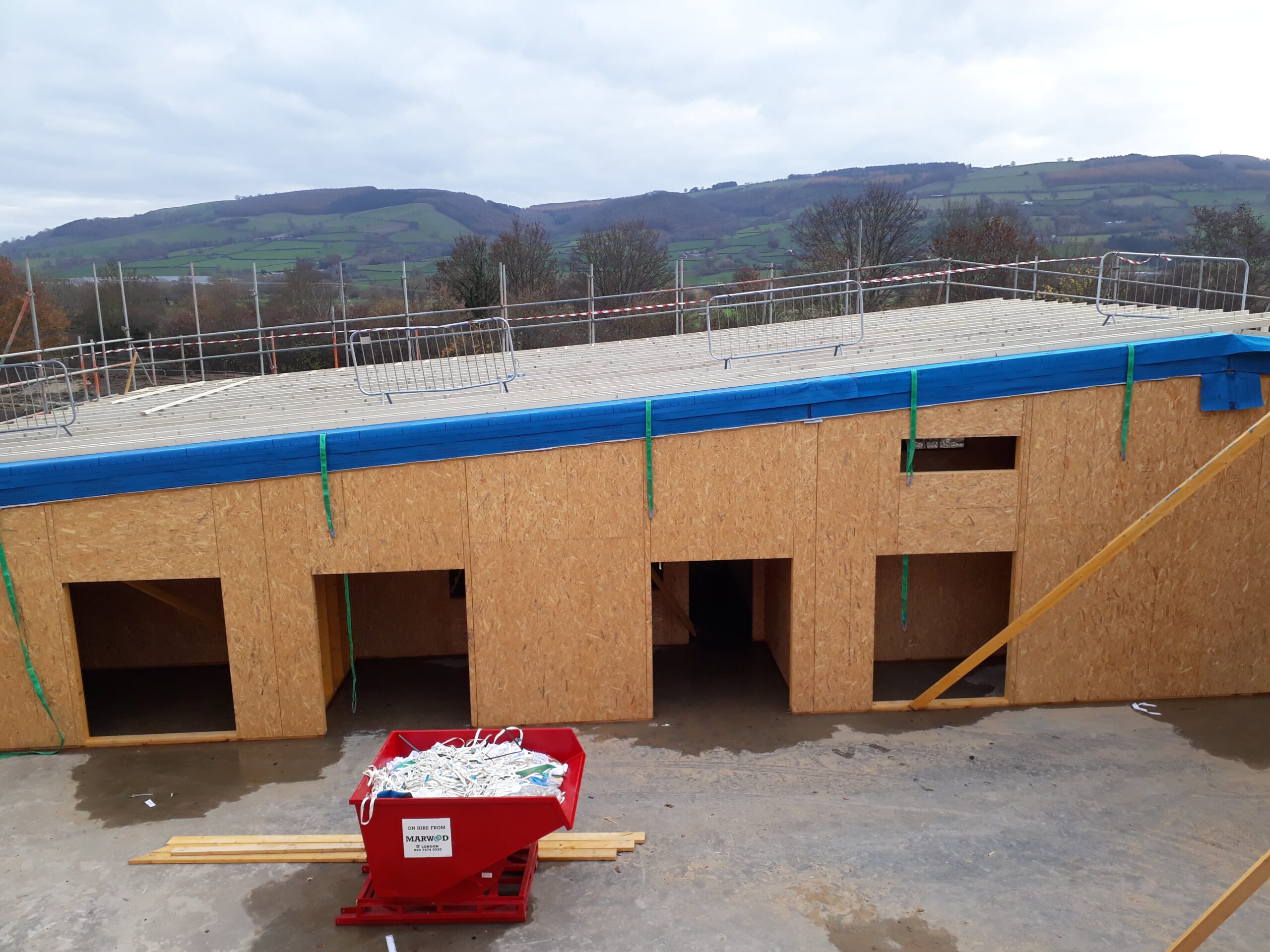
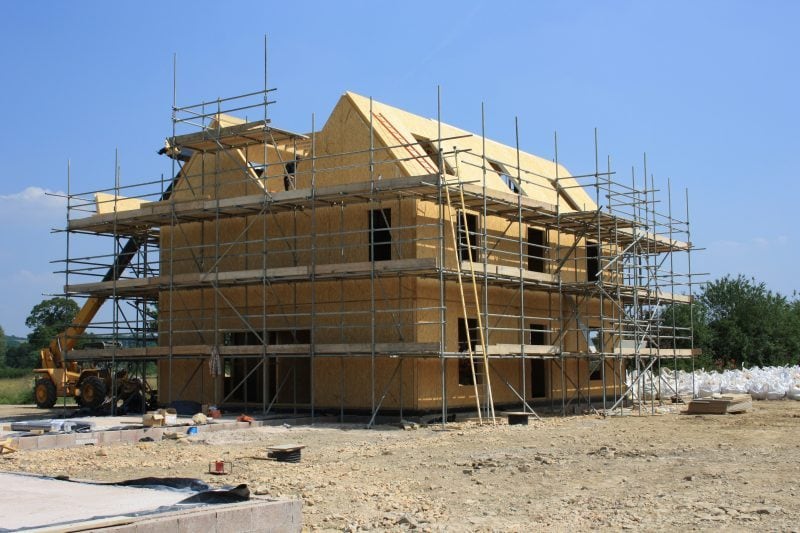
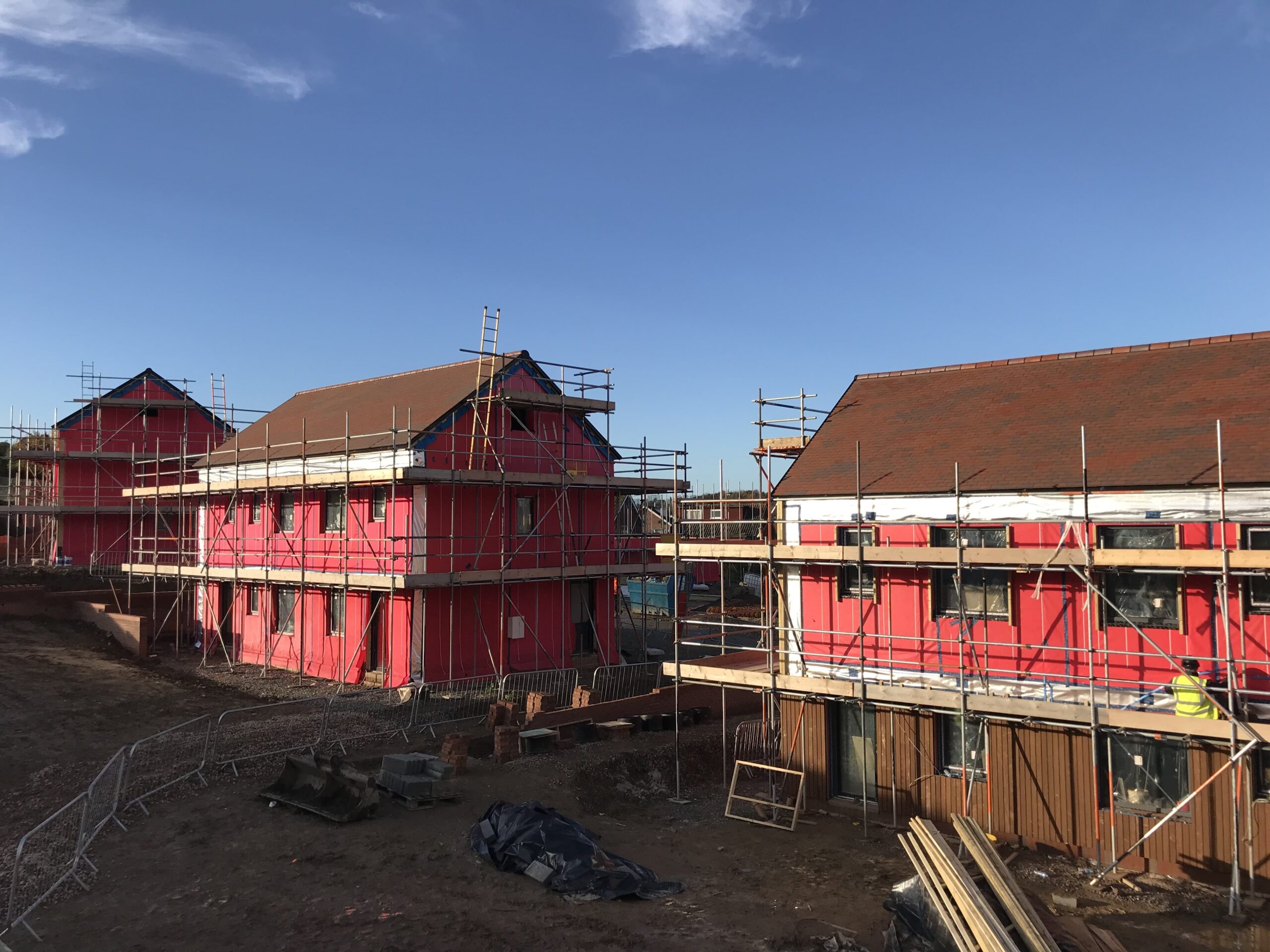
Achieving Passivhaus certification can be an expensive process. Benefits can be achieved from following Passivhaus principles but not going as far as achieving certification. The initial build costs of a Passivhaus will still be more than a conventional build, but energy costs for the lifetime of the home will be significantly less.
Proof of low-cost utility bills will create more worth than a certificate in terms of the valuation of a building.
Speak to one of our advisors today on how you can build towards the Passivhaus standard. Early involvement is key when planning to build Passivhaus.
View some of our Passivhaus projects here.
Helping to build greener and react to the climate change emergency we actively promote the use of materials with low embodied carbon, helping achieve NET Zero, Passivhaus build standard. Manufacturing timber frames for commercial buildings, residential developments, and private self-builders. This enables the client to have a final product which requires very little energy and heating.