



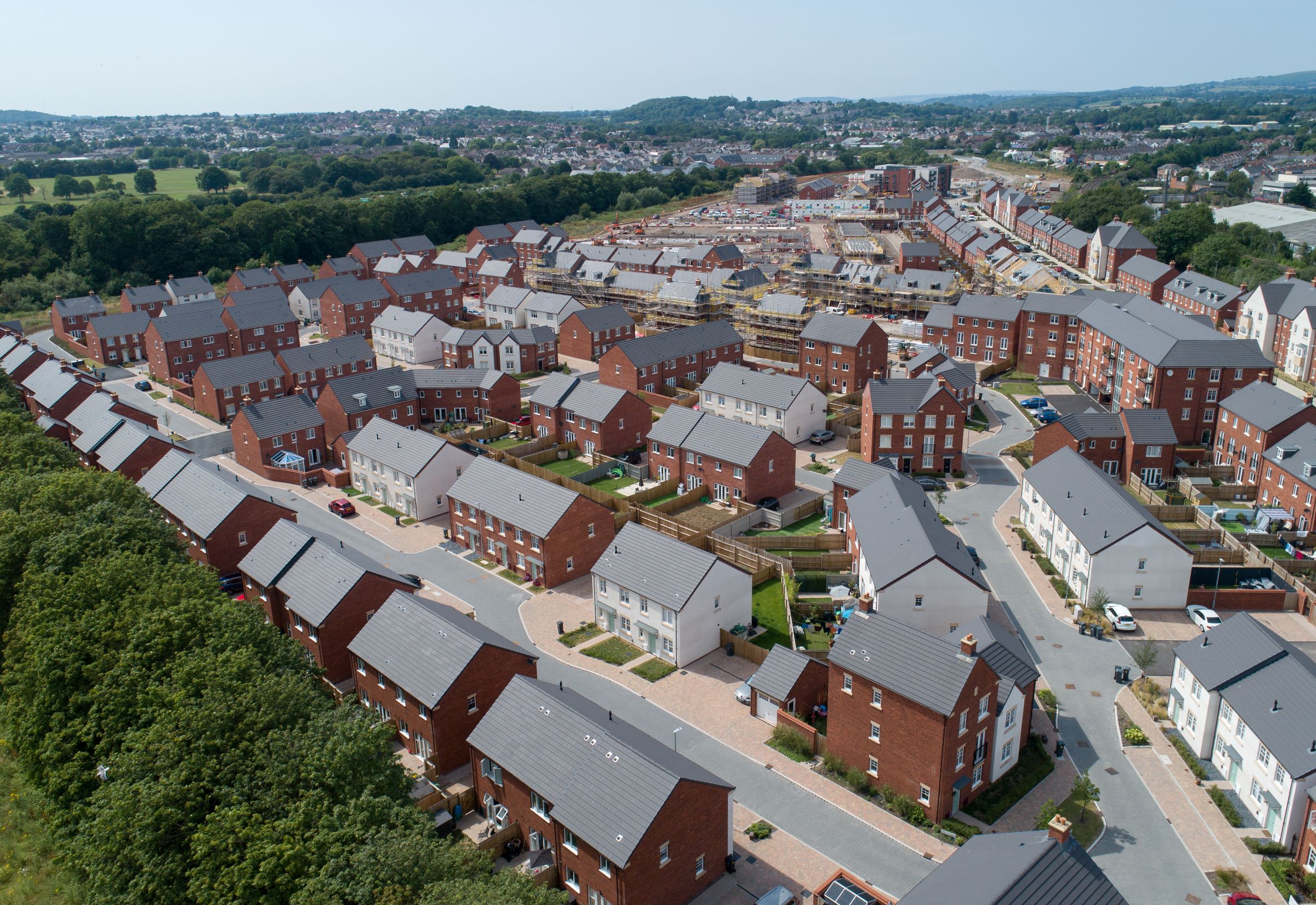
Modern timber frame structures are precision-engineered, strong and durable. The build method relies on a factory manufactured timber frame as a means of structural support. The construction of timber frame-based structures utilises factory manufactured wall panels, floor and roof panels.
At Lowfield Timber Frames, we pride ourselves on offering a tailored approach to meet the project’s key drivers. Whilst some of our clients are simply looking for the most cost-effective solution to meeting current building regulations, many are looking for advice on how to improve the thermal performance of the building’s fabric. Whether that is reducing the thermal bridging or improving the airtightness, we have a suite of solutions to meet your requirements. We are one of the go-to timber frame manufacturers in the UK working to Passive house standards.
Offerings range from “Open-Panel” timber frame all the way up to our “Larsen Truss / Twin-Wall System”
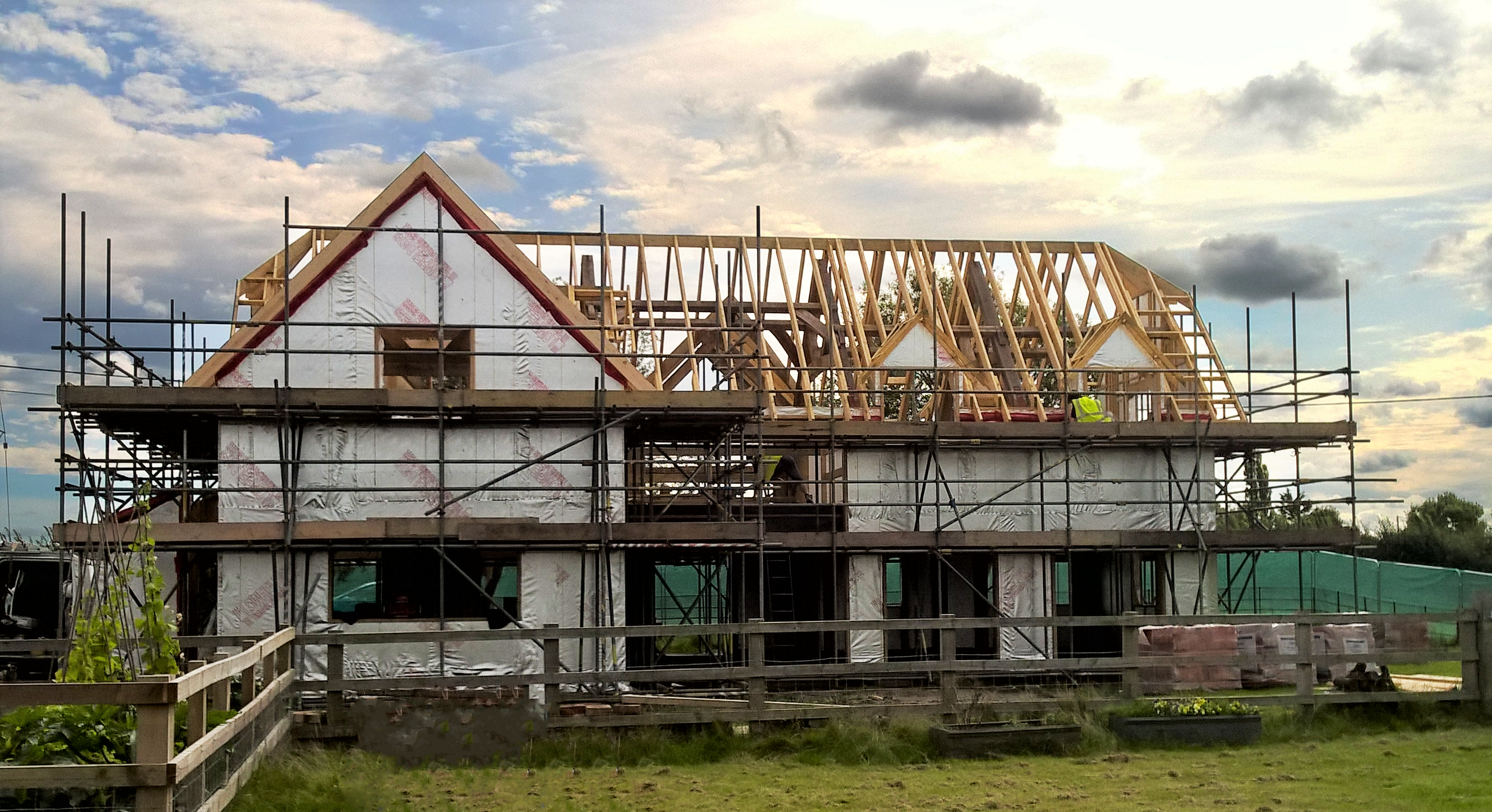

The Larsen / Twin-Wall system incorporates a lightweight wall extension which is used to create a thicker wall space to hold insulation. The system offers enhanced u-values and significantly reduces thermal bridging at key junctions. Wall thickness can be adapted to achieve the U-value you require for your build.
Typically, the wall is then filled with Warmcel Cellulose Fibre Insulation, Warmcel insulation is made from recycled newspaper, where naturally occurring mineral salts are added during the milling process for fire resistance and fungal/insect protection. Wood fibre insulation can also be used which has a low level of embodied carbon. Alternative blown insulation is available if required.
A hole is cut in the internal airtightness layer and the insulation is pumped into the wall cavity, then the hole is sealed with airtight tape. The airtight tape is imperative. It should be used on all internal joints and around window and door openings. The tape can also be used on the external membrane joints to aid wind tightness. Roof cassettes can also be used which are filled the same way as the wall panels.
Our cassettes can be manufactured in various forms to suit the bespoke requirements of each build, with the ends cut to suit the pitch of the roof and the connection to the wall plate.
Using roof and floor cassettes has many advantages such as reduced time working at height, quicker construction, reduced air leakage and thermal bridging and less site waste. Our cassettes can be manufactured using solid timber, I-joists or metal web joist systems. They all come with lifting straps pre fitted to improve health and safety and stair apertures are framed out with fall protection.
Our roof cassettes, which have been 3rd party audited accreditation to meet current NHBC requirements, ensure the building is made watertight at the earliest opportunity. As well as providing the roofing membrane and counter battens, our system also allows us to pre-fit rooflights if desired.

An I-Joist is an engineered wood joist, designed to eliminate the problems that occur when using traditional timber joists. The joists are shaped like an “I” and are lightweight, but strong. An I-joist has two main parts, the web and flange. The web is sandwiched between a top and bottom flange, creating the “I” shape.
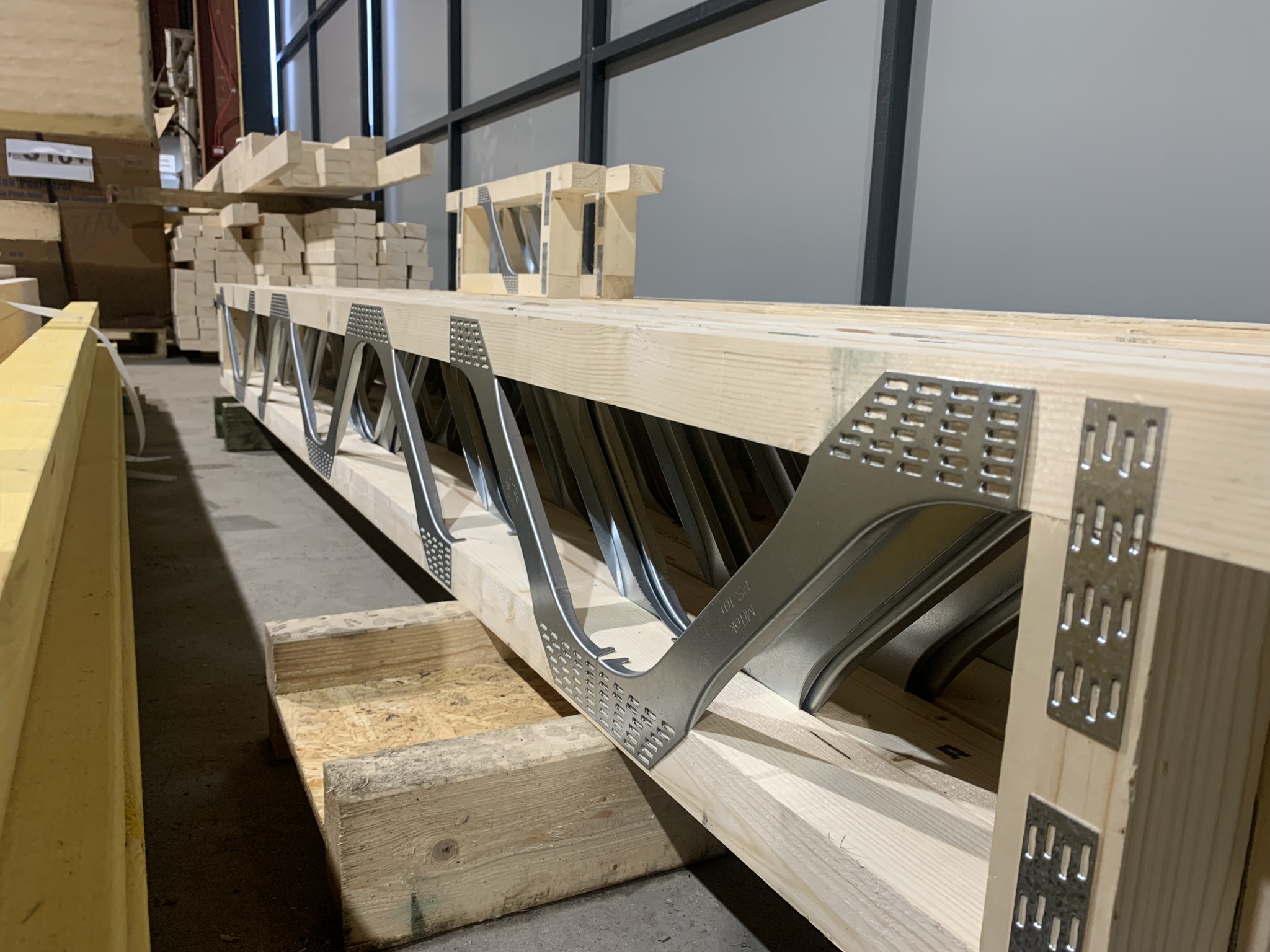
Metal Web Joists have a very similar design rate but offer easier installation of services. However, Metal Web Joists are considerably more expensive than I-Joists.
Metal web or Posi joist systems are a combination of timber chords and pressed metal webs which together form an ‘open-web’ joist. Their open web design allows for the installation of services such as pipework, cabling, mechanical heat recovery systems and other services to be passed through the metal webs without the need for notching or drilling and typically span greater distances than I-joists.
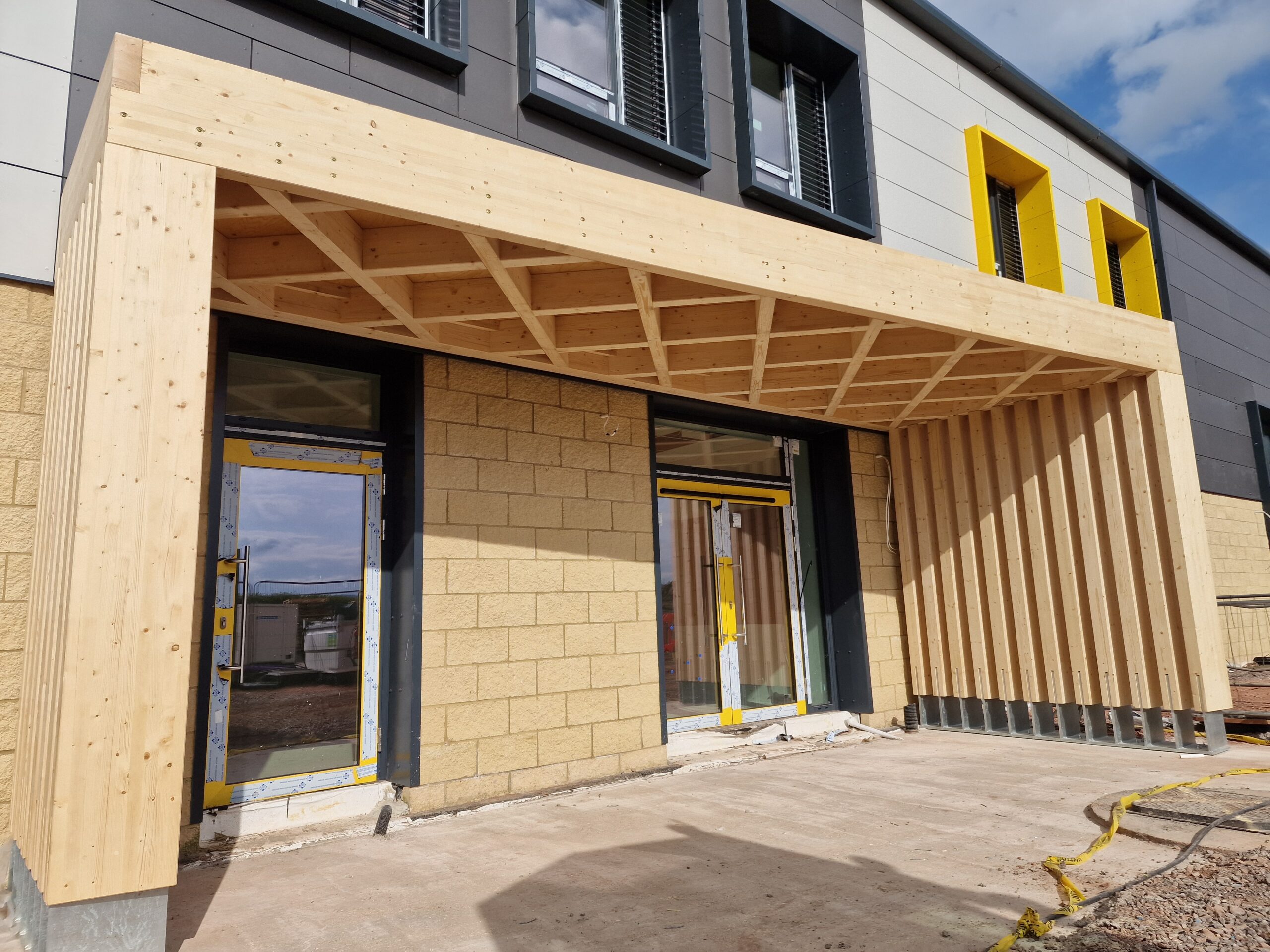
Including Oak or Glulam features can provide a structurally efficient way to provide a new level of aesthetic appeal to the building design for traditionally styled homes. There are many options regarding feature timber sizes and finishes that we can match the client’s requirements every time.
about your project?
to discuss your requirements